
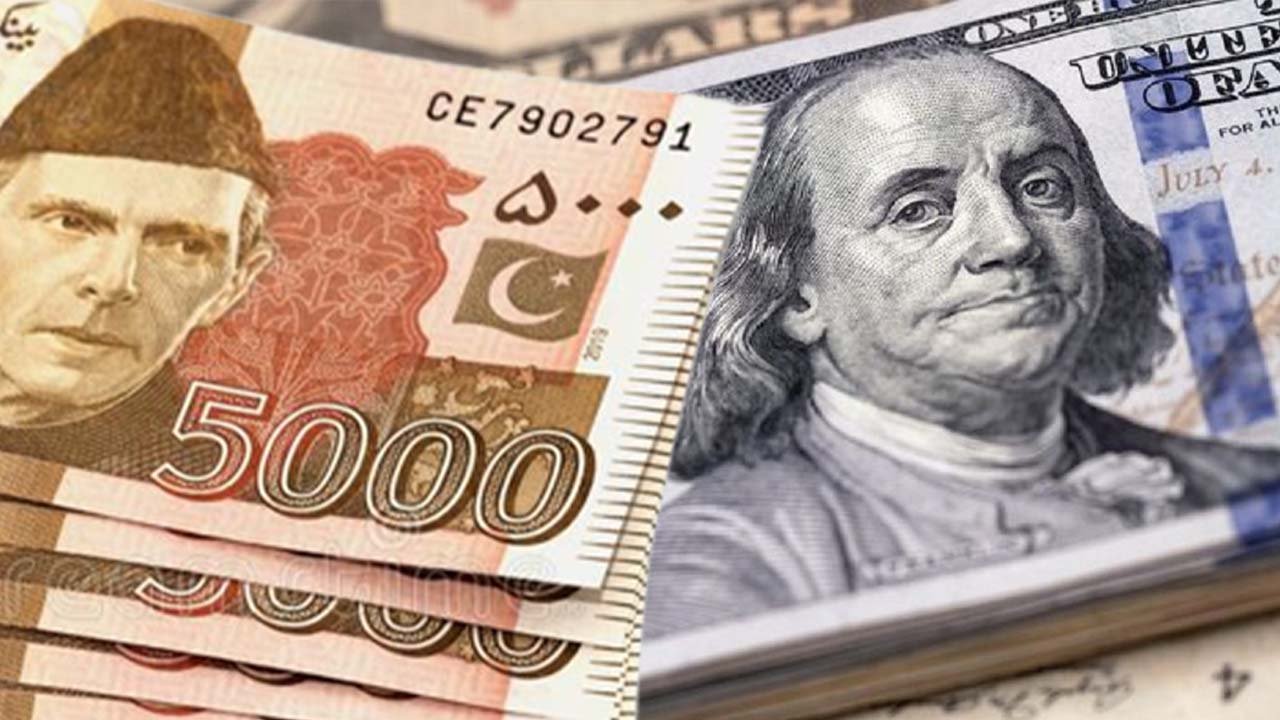
Introduction The Pakistani rupee has been on a historic streak in the interbank market, appreciating against the US dollar for 15 consecutive trading
Introduction
The Pakistani rupee has been on a historic streak in the interbank market, appreciating against the US dollar for 15 consecutive trading days. This marks the longest winning run for the rupee in years, a development that has caught the attention of traders, policymakers, and the public alike. On Thursday, the rupee closed at Rs 281.80 against the dollar, reflecting renewed stability in Pakistan’s fragile economy.
For a currency that has often been under pressure due to import bills and external debt repayments, this upward movement has come as a relief. The big question now is whether the rally is sustainable or just a temporary reprieve.
Latest Forex Numbers
According to data published by ProPakistani, the rupee closed at Rs 281.80 against the dollar in interbank trading source. This appreciation may look small on paper, but in forex terms, a consistent upward run across 15 trading sessions is unprecedented in recent years.
In weekly market fluctuations, the USD to PKR exchange rate hovered between Rs 281.775 and Rs 281.875, reflecting a minor 0.04 percent change, according to Wise Currency Tracker source. Although the margin of change is narrow, consistency matters in currency markets — and the rupee’s stability is being interpreted as a positive indicator.
Why is the Rupee Strengthening
Analysts attribute the rupee’s recent performance to a combination of factors:
- Government Controls on Outflows – Strict monitoring of dollar transactions has reduced speculative hoarding.
- Strong Remittance Flows – With Eid season inflows, banks have reported a higher supply of dollars in the market.
- Import Restrictions – Tighter controls on non-essential imports have lowered demand for foreign exchange.
- Improved Reserves – State Bank interventions and support from international lenders have added to confidence.
This combination has created a rare balance where the demand and supply of dollars are tilted slightly in the rupee’s favor.
Impact on the Economy
Inflation and Import Bill
A stronger rupee helps reduce the cost of imported goods, particularly fuel and food items. Since Pakistan relies heavily on imports for petroleum, a stable exchange rate could ease inflationary pressures that have been hurting households.
Relief for the Government
For the government, every rupee gained against the dollar means lower repayment costs on foreign-denominated debt. With billions of dollars in external liabilities, even small shifts in exchange rates have big fiscal consequences.
Mixed Impact on Overseas Pakistanis
While the rupee’s rise is good for domestic inflation, it is not favorable for overseas workers sending remittances. A stronger PKR means fewer rupees per dollar, which could impact the monthly budgets of families dependent on remittance income.
Regional and Global Context
Currency movements rarely happen in isolation. Comparing Pakistan with regional peers offers perspective:
- India – The Indian rupee has remained relatively stable in the Rs 83–84 per USD range, supported by strong forex reserves exceeding $600 billion.
- Bangladesh – The Bangladeshi taka has faced depreciation pressure, similar to Pakistan earlier this year, but has stabilized after IMF-supported reforms.
- Global Dollar Trends – The US dollar index has weakened slightly due to global interest rate speculation, indirectly supporting emerging market currencies like Pakistan’s.
This regional comparison highlights that Pakistan’s rupee recovery is partly due to domestic controls, but also linked to broader dollar movements.
What Analysts Predict Next
Market watchers remain divided:
- Optimists believe that if remittance inflows remain strong and the government continues to restrict imports, the rupee could appreciate further.
- Skeptics warn that without structural reforms, the gains may be short-lived. Once import demand normalizes, pressure on the rupee could return.
Some analysts also highlight that political stability and clarity on upcoming loan disbursements from international lenders will be critical in sustaining the rupee’s run.
FAQs
How long has the rupee been rising?
The rupee has appreciated for 15 consecutive trading days, the longest streak in recent memory.
What is the current USD to PKR rate?
As of the latest interbank close, the rate is Rs 281.80 per US dollar.
Will the rupee continue to rise?
Experts are divided. Some see potential for further appreciation if inflows stay strong, while others caution that without reforms, the rally could fade.
Is this good for overseas Pakistanis?
Not directly. A stronger rupee means families receiving remittances get fewer rupees per dollar.
How does a stronger rupee affect inflation?
It reduces the cost of imports like fuel and food, which could help bring inflation down.
Conclusion
The rupee’s record 15-day rise has brought rare stability to Pakistan’s forex market. With the currency closing at Rs 281.80 and showing resilience against the dollar, businesses and households are feeling cautious optimism. However, the sustainability of this streak depends on remittance inflows, import control policies, and long-term reforms.
In a country with over 240 million people, where currency swings directly affect fuel prices, food inflation, and household incomes, the performance of the rupee is more than just a financial statistic – it’s a barometer of national stability.

COMMENTS