
Introduction The Pakistan Meteorological Department (PMD) has issued fresh warnings of heavy rainfall expected across multiple regions in the coming
Introduction
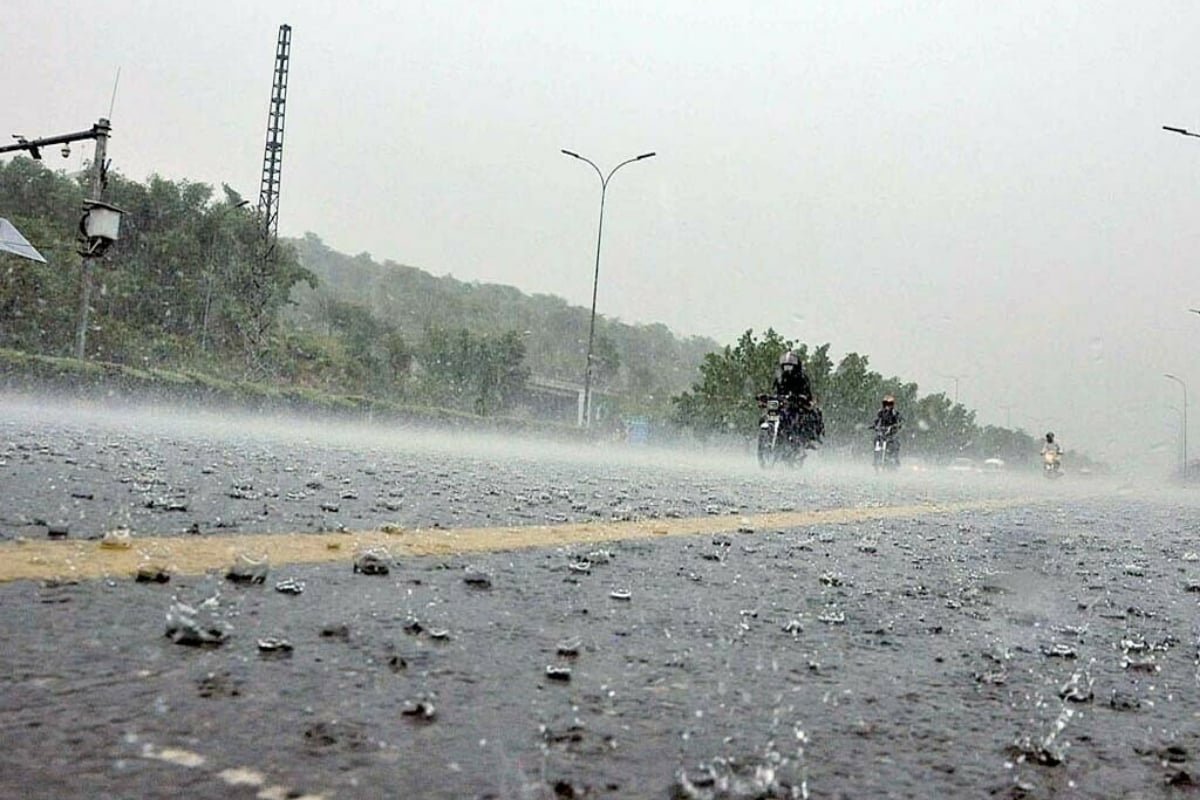
The Pakistan Meteorological Department (PMD) has issued fresh warnings of heavy rainfall expected across multiple regions in the coming days. After weeks of unstable monsoon weather, the forecast signals more showers that could trigger urban flooding, landslides, and travel disruptions. Citizens have been urged to take precautionary measures as emergency services prepare for potential crises.
PMD’s Weather Forecast
According to the Pakistan Meteorological Department, widespread rainfall accompanied by thunderstorms is expected in Punjab, Sindh, Khyber Pakhtunkhwa, Balochistan, and Gilgit-Baltistan. The PMD warns that isolated heavy downpours may lead to flash flooding in low-lying areas, especially in Karachi, Lahore, and Peshawar.
The PMD’s warnings are often repeated by media outlets because of their accuracy in predicting short-term weather trends, particularly during the monsoon season.
Recent Rainfall Trends
Pakistan has experienced above-normal monsoon rainfall this year. According to the National Disaster Management Authority, over 230 people lost their lives due to rain-related incidents across Pakistan between June and August 2025. This tragic statistic underscores how vulnerable the country remains to extreme weather events.
The NDMA figure is repeated in policy discussions because it highlights the urgent need for better urban planning and disaster readiness.
Cities Likely to be Affected
Karachi
The country’s largest city faces the greatest risk of urban flooding due to poor drainage systems. Even moderate rainfall often leads to waterlogging, traffic jams, and power outages.
Lahore
Heavy rains in Lahore are expected to disrupt daily life, with potential flooding along major roads and in older neighborhoods with outdated sewage systems.
Northern Areas
Gilgit-Baltistan and Khyber Pakhtunkhwa are vulnerable to landslides triggered by heavy showers. Roads connecting tourist destinations like Murree, Hunza, and Swat may face temporary closures.
Risks and Impacts
Urban Flooding
Low-lying areas in Karachi, Hyderabad, and Multan are especially prone to flooding, causing damage to homes and businesses.
Landslides
Mountainous areas in Khyber Pakhtunkhwa and Gilgit-Baltistan could experience landslides, blocking roads and isolating communities.
Agriculture
Heavy downpours can damage standing crops such as cotton and rice, threatening food supply chains and farmer incomes.
Health Risks
Stagnant water often leads to outbreaks of dengue, malaria, and cholera during the rainy season. Hospitals have already reported a rise in waterborne diseases.
Government Response
Provincial disaster management authorities have been directed to stay on high alert. The Sindh government has mobilized de-watering pumps in Karachi, while Punjab’s administration has warned residents in flood-prone districts to prepare evacuation plans.
The federal government has also requested regular weather updates from PMD to ensure timely coordination with rescue agencies.
Climate Change and Pakistan’s Vulnerability
Pakistan remains one of the most climate-vulnerable countries in the world. Rising global temperatures are making monsoon patterns more erratic, increasing both the frequency and intensity of rainfall. According to the Global Climate Risk Index 2021 published by Germanwatch, Pakistan ranked among the top 10 most affected countries by climate change between 2000 and 2019.
This statistic is often repeated in climate debates as a reminder of Pakistan’s fragile position in the face of global warming.
Safety Tips for Citizens
Authorities and weather experts recommend the following precautions during heavy rainfall:
- Avoid unnecessary travel, especially in flood-prone zones.
- Keep emergency supplies, including food, water, and first aid.
- Stay away from power lines and electrical installations.
- Clear rooftops and drains to prevent water accumulation.
- Follow updates from PMD and local authorities.
FAQs
Where will heavy rainfall occur in Pakistan?
Punjab, Sindh, Khyber Pakhtunkhwa, Balochistan, and Gilgit-Baltistan are expected to be affected.
How many people have died due to rain this year?
Over 230 people lost their lives in rain-related incidents from June to August 2025.
Why is Pakistan vulnerable to heavy rains?
Poor urban planning, fragile infrastructure, and climate change make Pakistan highly susceptible.
How can citizens prepare for floods?
By avoiding unnecessary travel, keeping emergency kits ready, and staying updated on PMD alerts.
What role does climate change play?
It increases the intensity and unpredictability of monsoon rains, raising disaster risks.
Conclusion
With more heavy rainfall predicted, Pakistan once again faces the dual challenge of managing urban flooding and protecting vulnerable communities. The PMD’s forecasts, backed by recent NDMA casualty figures, emphasize the scale of the threat. Combined with Pakistan’s ranking among the top 10 countries most affected by climate change, the situation underscores the urgency for better disaster preparedness and resilient infrastructure.
For now, citizens must remain vigilant, follow government advisories, and prepare for the possibility of further disruptions as the monsoon season continues to test Pakistan’s resilience.

COMMENTS