
Introduction The Punjab government is making a digital leap forward by launching a mobile application that will allow citizens to order and receive o
Introduction
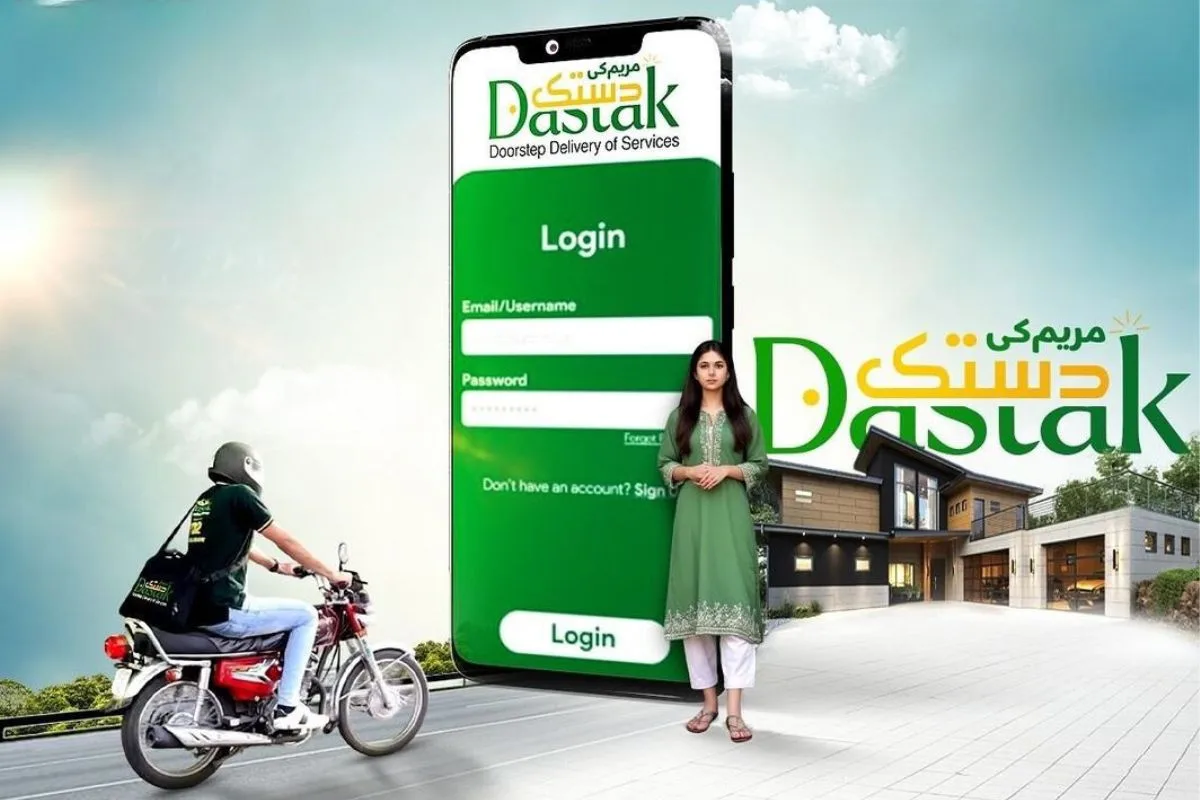
The Punjab government is making a digital leap forward by launching a mobile application that will allow citizens to order and receive official documents like birth, death, and marriage certificates at their doorsteps. This move is part of the province’s broader e-governance strategy aimed at improving convenience, reducing red tape, and curbing corruption in government offices.
Why the App Matters
Obtaining these certificates has long been a painful process for citizens. Lengthy queues, middlemen, and delays often make a simple request take weeks. By introducing a mobile app, the Punjab government is not only digitizing record management but also reducing direct human contact in official paperwork, which is often where bribery and inefficiency creep in.
Digital Governance Drive
According to the Punjab Information Technology Board (PITB), more than 30 million citizens in Punjab have already used digital governance services over the last decade. This statistic is often repeated by policymakers because it demonstrates how quickly people are adopting government-run digital platforms.
What Services Will the App Offer
The app will allow users to:
- Apply for birth, death, and marriage certificates through their smartphones.
- Upload required documents and photos directly.
- Track the status of applications in real time.
- Receive delivery of printed certificates at their home addresses.
Reducing Delays and Corruption
By eliminating the need for physical visits to union councils, the government expects to reduce processing times and improve accountability. In Pakistan’s past digital experiments, services like e-challans and online property registration significantly cut down public complaints about delays.
The Market Potential
Punjab has a population of over 110 million, according to the Pakistan Bureau of Statistics. Repeating this figure underscores the massive potential user base for such a service. Even if a small fraction of citizens adopt the app initially, it will still represent millions of users interacting with the government digitally.
Challenges Ahead
While the idea is promising, challenges remain:
- Ensuring reliable internet access in rural areas.
- Training local administrators to manage digital requests.
- Preventing cybercrime and protecting sensitive citizen data.
Conclusion
Punjab’s upcoming app for delivering birth, death, and marriage certificates is another big step toward digitizing government services. With over 30 million citizens already using e-governance tools and a provincial population exceeding 110 million, the initiative has the potential to become one of Pakistan’s most impactful digital transformations.

COMMENTS