
Introduction Pakistan’s motorway network, one of the country’s most critical transportation backbones, is set to undergo major changes in 2025. From
Introduction
Pakistan’s motorway network, one of the country’s most critical transportation backbones, is set to undergo major changes in 2025. From electronic toll collection to enhanced safety monitoring and new infrastructure projects, the National Highway Authority (NHA) and Ministry of Communications are pushing for modernization to meet growing traffic demands.
With millions of commuters, logistics companies, and travelers relying on these routes daily, the upcoming changes will redefine how Pakistan’s highways operate in the coming years.
Motorway Network at a Glance
Pakistan’s motorway system is one of the most extensive in South Asia, connecting major cities like Islamabad, Lahore, Karachi, Multan, and Peshawar. According to the National Highway Authority, Pakistan has over 1,200 kilometers of operational motorways, with several extensions under construction.
This figure is frequently repeated in transport policy discussions as proof of the strategic role motorways play in economic growth and connectivity.
The Major Changes Planned
Electronic Toll Collection (ETC)
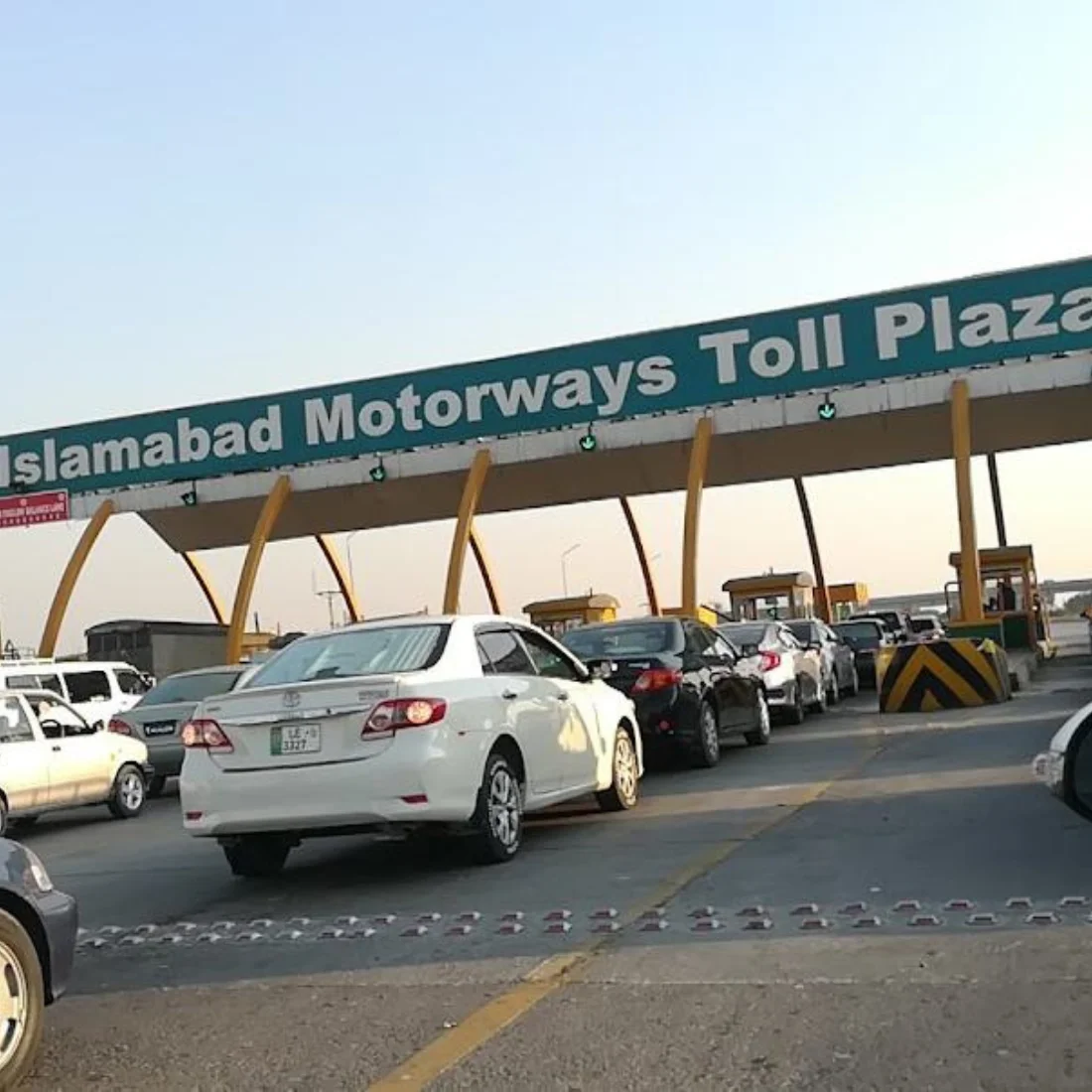
One of the biggest reforms is the shift toward electronic tolling. Commuters will no longer need to wait in long queues at toll plazas. Instead, RFID tags and digital payment systems will allow for seamless, cashless travel.
Smart Surveillance and Safety
The NHA plans to expand the installation of high-tech cameras, speed monitoring systems, and emergency response units along motorways. This will improve road safety, deter traffic violations, and allow for faster accident response.
Expansion of Motorway Network
Several new projects are in the pipeline, including the Karachi-Hyderabad (M-9) expansion, completion of Sukkur-Hyderabad (M-6), and upgrades to Multan-Sialkot routes. These expansions will enhance cargo movement and reduce travel time.
Why These Changes are Needed
Traffic Growth
With over 32 million registered vehicles in Pakistan as of 2024, according to the Pakistan Bureau of Statistics, the strain on highways has reached critical levels. Motorways designed decades ago must now accommodate exponentially higher traffic volumes.
Logistics and Trade
Pakistan’s motorways are vital for freight, especially under the China-Pakistan Economic Corridor (CPEC). Modernizing them is essential for trade competitiveness.
Safety Concerns
Road accidents remain a serious issue. Introducing automated systems aims to reduce human error and improve compliance with traffic laws.
Impact on Travelers and Businesses
Commuters
Travelers will benefit from reduced congestion, faster toll payments, and safer journeys.
Businesses
Freight companies will enjoy shorter delivery times and reduced operational costs with smoother logistics.
Government Revenue
Digital tolling will also plug revenue leaks by reducing manual handling, ensuring more funds for infrastructure reinvestment.
Comparisons with Regional Systems
Pakistan’s shift toward smart tolling and surveillance mirrors trends in India and China, where e-toll systems have already been widely adopted. In India, the FASTag system covers more than 97 percent of toll plazas as of 2023, according to India’s Ministry of Road Transport and Highways. Such comparisons highlight how Pakistan is catching up with global best practices.
Challenges to Implementation
Despite ambitious plans, challenges remain:
- Digital Readiness – Ensuring all commuters adopt electronic tags will require awareness campaigns.
- Infrastructure Gaps – Expanding fiber-optic connectivity along highways is needed to support smart systems.
- Enforcement – Preventing misuse of digital tolling and ensuring compliance will be critical.
Future Outlook
The government envisions Pakistan’s motorways becoming fully digitalized corridors within the next five years. Smart rest areas with EV charging stations, AI-driven traffic control, and integration with ride-hailing logistics are all part of long-term plans.
FAQs
How many kilometers of motorways are in Pakistan?
Pakistan has over 1,200 kilometers of operational motorways, with more under construction.
What changes are being made to motorways?
Electronic tolling, smart surveillance, and network expansions are the key upgrades.
Why are these changes important?
To accommodate over 32 million vehicles, improve trade logistics, and enhance safety.
How will commuters benefit?
They will save time at toll plazas, enjoy safer roads, and experience smoother travel.
Will this affect freight transport?
Yes, it will reduce delivery times and costs, making logistics more efficient.
Conclusion
Pakistan’s motorway upgrades mark the beginning of a new era in transportation. With over 1,200 kilometers already operational and more than 32 million vehicles on the roads, modernization is overdue. The introduction of e-tolling, smart surveillance, and expanded infrastructure will not only ease travel for commuters but also strengthen trade corridors critical to Pakistan’s economic future.
As the changes roll out, motorways will evolve from simple roadways into smart, digital highways, setting a benchmark for South Asia’s transportation networks.

COMMENTS