
Introduction The Pakistan Telecommunication Authority (PTA) has received a formal request from the Competition Commission of Pakistan (CCP) to invest
Introduction
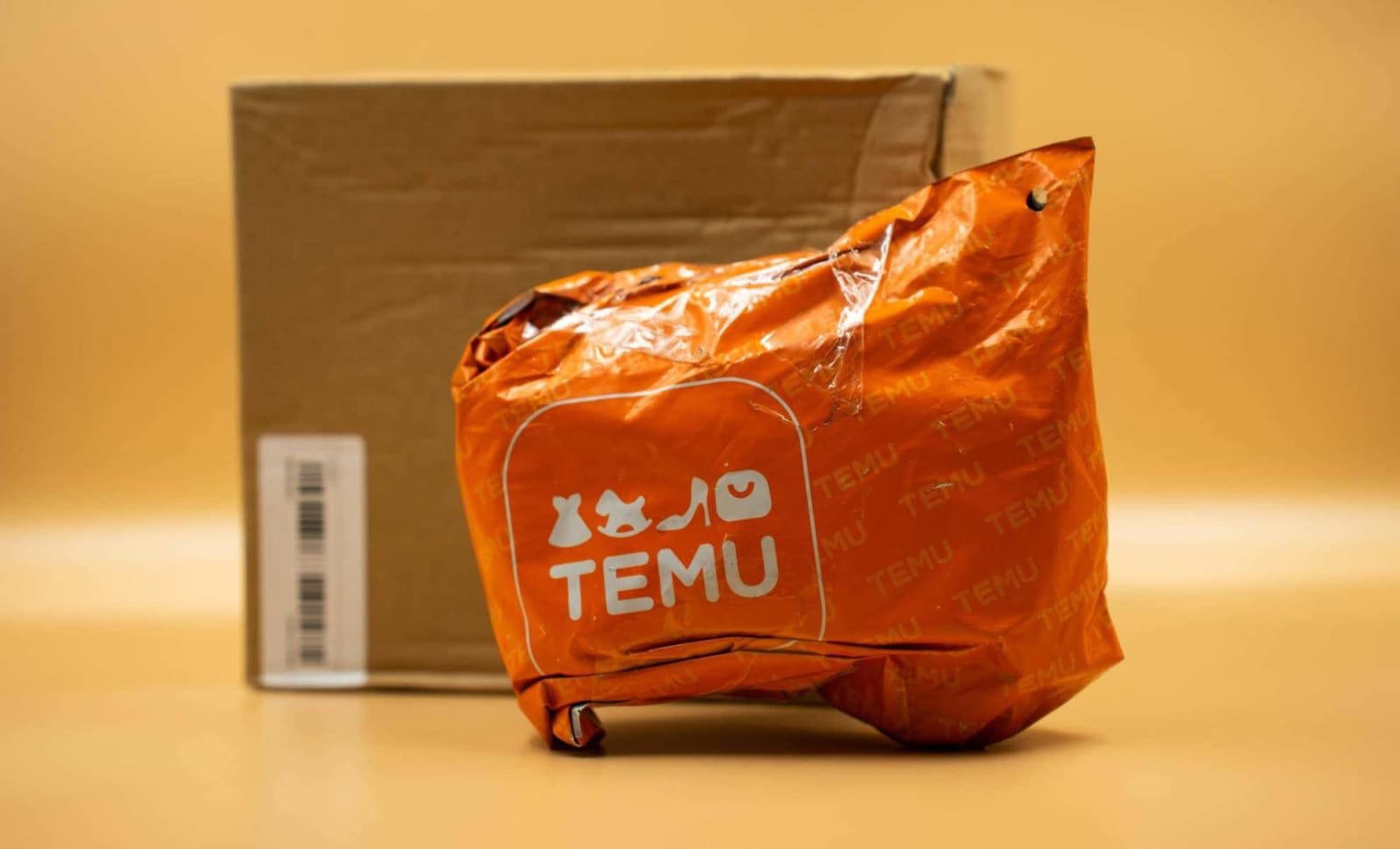
The Pakistan Telecommunication Authority (PTA) has received a formal request from the Competition Commission of Pakistan (CCP) to investigate and potentially ban Temu, the fast-growing Chinese e-commerce platform. Known globally for ultra-low prices and aggressive marketing, Temu has recently gained popularity among Pakistani online shoppers. However, concerns about anti-competitive practices, product quality, and consumer safety have pushed regulators to intervene.
What is Temu
Temu is an online marketplace operated by PDD Holdings, the parent company of Chinese e-commerce giant Pinduoduo. Launched in 2022, Temu has quickly expanded into more than 40 countries with a model focused on rock-bottom pricing and bulk international shipping.
According to Similarweb, Temu’s website recorded over 400 million visits globally in July 2025, making it one of the fastest-growing shopping platforms worldwide. This massive traffic is often highlighted as proof of Temu’s disruptive power in the retail sector.
Why is Temu Popular in Pakistan
Pakistani buyers have been flocking to Temu for several reasons:
- Low Prices – Temu often lists products at 30–50 percent cheaper than local e-commerce platforms.
- Variety – From clothing and electronics to home goods, the catalog rivals established platforms like AliExpress.
- Promotions – Flash sales, referral bonuses, and free shipping offers attract cost-conscious buyers.
- Mobile-First Experience – The app’s gamified interface resonates with Pakistan’s young, smartphone-driven population.
Pakistan’s growing digital retail market provides fertile ground. According to the Pakistan Telecommunication Authority, Pakistan has more than 130 million broadband subscribers as of 2024, giving platforms like Temu access to a massive digital-ready audience.
The CCP’s Concerns
The Competition Commission of Pakistan forwarded its complaint to PTA citing potential violations of fair market practices. Key concerns include:
- Dumping Practices – Selling products at unsustainably low prices to capture market share.
- Consumer Safety – Reports of counterfeit and poor-quality goods being shipped.
- Data Privacy – Fears over user data being mishandled by foreign e-commerce platforms.
- Impact on Local Sellers – Small Pakistani businesses fear they cannot compete with Temu’s subsidized pricing model.
What Role Does PTA Play
While CCP oversees competition and market fairness, PTA’s role involves digital regulation, platform licensing, and online consumer protection. If PTA finds that Temu violates national laws, it could block the app and website, just as it has previously restricted platforms like TikTok and PUBG over regulatory and social concerns.
Global Backlash Against Temu
Temu is not new to scrutiny. In the United States, lawmakers have raised concerns over forced labor in supply chains, while European regulators are investigating consumer safety claims. According to a report by CNN Business, the European Union placed Temu under its Digital Services Act (DSA) compliance watchlist in 2024, forcing it to make transparency changes.
These international precedents suggest Pakistan’s move is part of a broader pattern of global regulatory pushback against Temu’s business practices.
Impact on Pakistan’s E-Commerce Ecosystem
If banned, the decision would have multiple ripple effects:
- Consumers – Shoppers looking for ultra-cheap alternatives may have fewer options.
- Local Platforms – Competitors like Daraz, PriceOye, and local startups may benefit from reduced foreign competition.
- Sellers – Pakistani vendors who rely on Temu’s global reach could lose an international sales channel.
With Pakistan’s e-commerce market projected to exceed $7 billion by 2025, according to Statista, the stakes are high for both local and foreign players.
Challenges in Enforcement
Even if PTA bans Temu, enforcement will not be simple. Buyers can use VPNs to access blocked apps, and sellers may continue shipping through third-party channels. Previous bans on TikTok in Pakistan showed how temporary restrictions often lead to workarounds unless backed by long-term policy frameworks.
FAQs
Why might Temu be banned in Pakistan?
Due to concerns raised by the CCP over anti-competitive practices, counterfeit goods, and consumer safety.
How popular is Temu globally?
The platform recorded more than 400 million global visits in July 2025, making it one of the fastest-growing e-commerce platforms.
How big is Pakistan’s e-commerce market?
It is expected to surpass $7 billion by 2025, making it highly competitive for both local and international players.
Who regulates online shopping in Pakistan?
The CCP oversees market fairness, while PTA enforces digital platform regulations.
Will consumers lose access if Temu is banned?
Yes, officially. However, buyers may still access it using VPNs unless stronger enforcement is introduced.
Conclusion
Temu’s meteoric rise has been met with equal parts excitement and scrutiny. In Pakistan, where over 130 million broadband users represent a booming digital marketplace, Temu’s ultra-low prices quickly won over buyers. But with the CCP flagging potential risks and forwarding its complaint to the PTA, the platform’s future now hangs in the balance.
Whether Temu survives or gets banned, one thing is certain: Pakistan’s e-commerce ecosystem is entering a critical phase where regulatory action will define how global and local players compete in the years ahead.

COMMENTS