

Introduction: Why AI Content Creation Is Reshaping Marketing Marketing has always been about creativity, storytelling, and engagement. But in 2025, o
Introduction: Why AI Content Creation Is Reshaping Marketing
Marketing has always been about creativity, storytelling, and engagement. But in 2025, one more ingredient has become indispensable: artificial intelligence. AI-powered tools are transforming how content is produced, distributed, and optimized.
According to industry surveys, 48% of marketers use AI-generated content tools to scale production. On top of that, AI content creation saves on average 30% of marketing teams’ time. These numbers reveal why AI is no longer optional but essential in competitive markets.
Navid Moazzez, an AI influencer, explained the value clearly: “AI isn’t here to replace you — it’s here to amplify you.”
What Is AI-Powered Content Creation?

What Is AI Powered Content Creation
AI-powered content creation refers to the use of generative AI tools to create text, images, audio, or video content. These tools use machine learning models trained on vast datasets to generate human-like content that can be customized for different platforms.
Examples in 2025 include:
- AI writing assistants for blogs, articles, and ad copy.
- AI video generators for marketing campaigns.
- AI design tools for social media graphics.
- AI SEO platforms for keyword optimization and content structure.
Why AI Content Creation Matters for Marketers in 2025
Marketers face constant pressure to produce high-quality content quickly. Traditional methods are often too slow and resource-intensive. AI fills this gap by enabling teams to scale production while maintaining consistency.
The benefits include:
- Faster turnaround times
- Cost efficiency
- Consistency in tone and messaging
- Ability to test multiple variations of content instantly
As Sam Altman, CEO of OpenAI, remarked: “The smartest creators will be those who use AI as their assistant.”
Types of AI Content Creation Tools in 2025
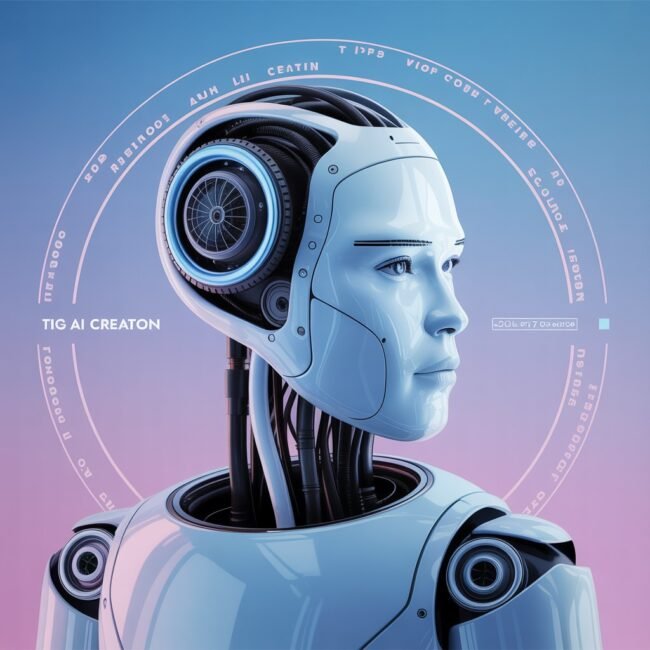
Types of AI Content Creation Tools in 2025
AI Writing Assistants
Platforms like ChatGPT, Jasper, and Writesonic create blog drafts, ad copy, and email campaigns within minutes.
AI SEO Optimizers
Tools like Surfer SEO and Clearscope help marketers create content aligned with search engine algorithms.
AI Video and Design Generators
Canva’s AI features, Runway, and Synthesia make it easier to design visuals and generate promotional videos.
AI Social Media Tools
Platforms that suggest hashtags, generate captions, and analyze engagement trends allow marketers to scale social campaigns.
Advantages of AI Content Creation
Efficiency and Scale
AI allows marketers to create more content with fewer resources. Teams can scale campaigns globally without expanding headcount.
Data-Driven Insights
AI analyzes performance metrics to recommend better strategies. For example, it can identify which headlines drive the most clicks.
Personalization
AI tailors content to different customer segments, increasing engagement.
Creativity Amplification
Far from replacing creativity, AI helps marketers brainstorm and refine ideas more effectively.
Challenges of AI Content Creation
Quality Concerns
AI-generated content can sometimes feel generic or repetitive. Human oversight is still needed for brand voice and storytelling.
Ethical Considerations
Transparency matters. Audiences want to know when they are reading or viewing AI-generated content.
Over-Reliance
Marketers risk losing originality if they depend too heavily on automation.
Data Privacy
Since AI tools rely on large datasets, companies must ensure compliance with data regulations.
How Marketers Can Use AI Content Creation Effectively
- Blend Human Creativity with AI Efficiency
Use AI for first drafts, brainstorming, and repetitive tasks while humans refine the storytelling. - Focus on Strategy, Not Just Output
AI handles production, freeing teams to focus on big-picture strategy and campaign goals. - Maintain Transparency
Disclose AI use when necessary to build trust with audiences. - Use AI for Optimization
AI helps with A/B testing, SEO recommendations, and analyzing engagement patterns.
The Role of AI in SEO and Digital Marketing

The Role of AI in SEO and Digital Marketing
Search engines are evolving with AI, and so must content strategies. In 2025, AI-generated content optimized with semantic SEO performs better than generic content. Marketers are leveraging AI to predict search intent, structure articles for featured snippets, and identify new keyword opportunities.
This shift means that content creation is no longer about writing alone. It is about combining creativity with AI-driven optimization.
Case Examples of AI in Marketing Campaigns
- E-commerce brands use AI to generate thousands of product descriptions instantly.
- Media companies leverage AI for drafting news summaries at scale.
- Small businesses adopt AI writing assistants to compete with larger rivals without hiring full content teams.
These real-world examples show that AI empowers marketers of all sizes.
The Future of AI Content Creation Beyond 2025
Looking ahead, AI will integrate even deeper into marketing workflows:
- Hyper-personalization: AI will deliver unique content experiences for every customer.
- Multimodal content creation: Tools will create text, images, and video simultaneously.
- Voice and AR marketing: AI-generated voiceovers and augmented reality ads will expand brand storytelling.
- AI-human collaboration: The role of marketers will shift from creating every piece of content to orchestrating and refining AI-driven campaigns.
Conclusion: Embracing AI as a Creative Partner
AI-powered content creation in 2025 is no longer experimental. With 48% of marketers already using AI-generated tools and teams saving 30% of their time, the advantages are clear.
Navid Moazzez’s words remind us of the opportunity: “AI isn’t here to replace you – it’s here to amplify you.” Sam Altman builds on that vision: “The smartest creators will be those who use AI as their assistant.”
For marketers, the message is simple: AI is your partner, not your competitor. Those who embrace it thoughtfully will gain the speed, efficiency, and insights needed to thrive in the future of digital marketing.

COMMENTS